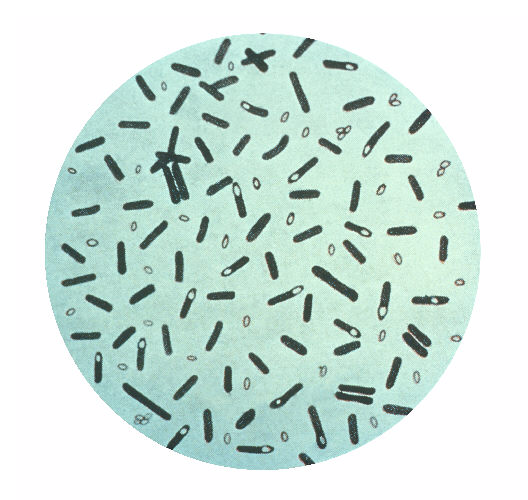
Clostridium botulinum A str. Hall

Gram-negativeRodMotileAerobe

Kingdom

Bacillati

Phylum

Bacillota

Class

Clostridia

Order

Eubacteriales

Family

Clostridiaceae

Genus

Clostridium

Description

Clostridium botulinum produces botulinum neurotoxin, one of deadliest toxins known. It inhibits acetylcholine release in neuromuscular junctions, causing paralysis by inhibiting muscle contraction. In most cases the affected person dies of asphyxiation or heart failure. Strains of C. botulinum are physiologically heterogeneous, and four distinct phenotypic groups (I to IV) are recognized. These four metabolically distinct groups do not, however, necessarily correlate with the serological specificities of the botulinum neurotoxin produced, which are classified into 7 serotypes, A-F. The type A toxin is used in minute doses to treat both painful muscle spasms and as a cosmetic treatment to temporarily remove frown lines between eyebrows. Strain Hall, ATCC 3502, is a representative of the Group I (proteolytic) botulinum toxin producing bacteria. Group I strains produce one or two toxins of type A, B or F; strain Hall produces type A1 neurotoxin. Food-borne, infant and wound botulism can all be caused by Group I strains. Strain Hall, the most widely studied of the C.botulinum strains, has been found to have an active chitinolytic system, enabling it to colonize environments where chitin-containing organism such as fungi, insects and crustaceans are abundant. Additionally it produces several extracellular proteases, presumably helping it to soften and destroy rotting or decaying tissues to support its saprophytic lifestyle. Two representatives of this strain have been sequenced, one of which contains a plasmid that encodes a bacteriocin boticin-like synthetic and transport system which may enable the bacteria to compete against other microbes. (EBI Integr8)

Taxonomy

KingdomBacillati
PhylumBacillota
ClassClostridia
OrderEubacteriales
FamilyClostridiaceae
GenusClostridium
SpeciesClostridium botulinum
StrainHall

Profile

Physiology
Gram staining propertiesNegative
ShapeRod
MobilityYes
Flagellar presenceYes
Number of membranes2
Image of Clostridium botulinum A str. Hall
Image source: Wikipedia/Wikimedia
Ecology, Host, and Life Cycle
Oxygen requirementsAerobe
Optimal temperature37
Temperature rangeMesophilic
HabitatMultiple
Biotic relationshipFree living
Host(s)Homo sapiens
Cell arrangementSingles
SporulationSporulating
Energy sourceHeterotroph
PathogenicityYes

Genome Summary

Clostridium botulinum A str. Hall


Gene Summary

Adenine Count

Not Available

Thymine Count

Not Available

Guanine Count

Not Available

Cytosine Count

Not Available

Genome Length

Not Available

Protein-coding Genes

Not Available

Non-Coding Genes

Not Available

# of Chromosomes/Plasmids

2

Genes

No genes available for this genome.

Metabolites

0 records
Metabolite IDMetabolite nameStructureCAS number
No metabolites foundTry different search terms or mass values.

Displaying 0 metabolites