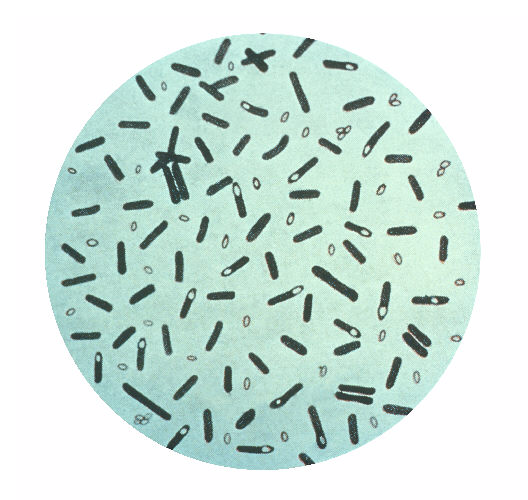
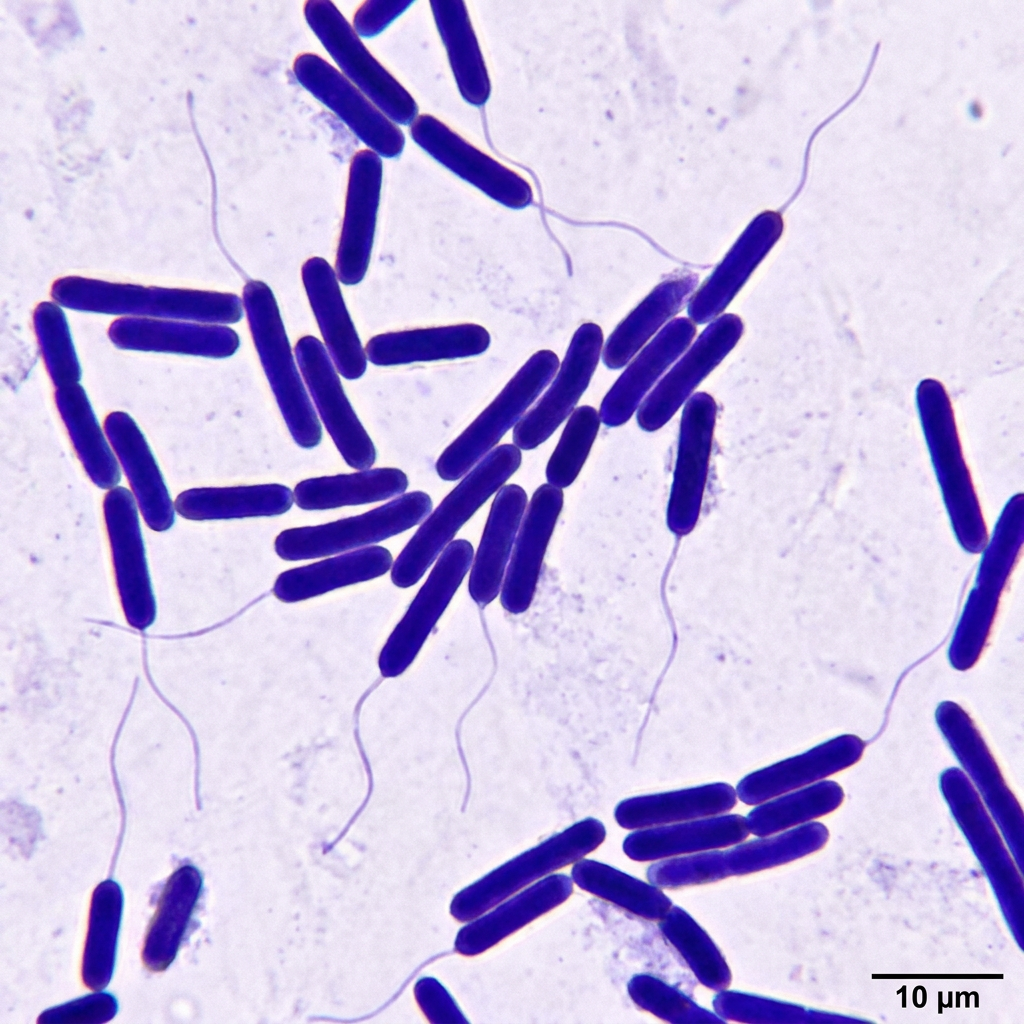
Clostridium botulinum Bf

Gram-positiveRodMotileAnaerobe

Kingdom

Bacillati

Phylum

Bacillota

Class

Clostridia

Order

Eubacteriales

Family

Clostridiaceae

Genus

Clostridium

Description

Clostridium botulinum type B (C. botulinum Bf) is a Gram-positive, rod-shaped bacterium that thrives in a temperature range of 37°C to 45°C, falling under the category of mesophiles. Its metabolism is chemoheterotrophic, meaning it relies on organic compounds as its energy source, and produces energy through fermentation. This microbe is incapable of producing its own food through photosynthesis or chemosynthesis, relying solely on the breakdown of complex organic molecules to sustain itself. C. botulinum Bf is a gram-positive bacterium, characterized by a thick peptidoglycan layer in its cell wall. Its rod-shaped morphology is typical of many Clostridium species. This microbe can be found in a variety of body sites, including the gastrointestinal tract, respiratory tract, and skin, in both humans and animals. C. botulinum Bf is an obligate anaerobe, meaning it cannot survive in the presence of oxygen and requires a reducing environment to thrive. In fact, oxygen is toxic to this microbe, and exposure to even small amounts can lead to its rapid death. Despite its anaerobic nature, C. botulinum Bf is capable of producing toxins, most notably botulinum toxin, which can cause a range of symptoms from muscle weakness to paralysis. This toxin is often referred to as one of the most potent biological toxins known to science. In addition to its role in disease, C. botulinum Bf has also been explored for its potential applications in medicine, particularly in the area of cancer treatment. Studies have shown that this microbe can be used to deliver toxins specifically to cancer cells, leading to targeted therapy and improved treatment outcomes.

Taxonomy

KingdomBacillati
PhylumBacillota
ClassClostridia
OrderEubacteriales
FamilyClostridiaceae
GenusClostridium
SpeciesClostridium botulinum
StrainBf

Profile

Physiology
Gram staining propertiesPositive
ShapeRod
MobilityYes
Flagellar presenceYes
Number of membranes1
Image of Clostridium botulinum Bf
Image source: Wikipedia/Wikimedia
Ecology, Host, and Life Cycle
Oxygen requirementsAnaerobe
Optimal temperature37
Temperature rangeMesophilic
HabitatMultiple
Biotic relationshipFree living
Host(s)Not Available
Cell arrangementPairs - Singles - Chains
SporulationNot Available
Energy sourceChemoorganotroph
PathogenicityNot Available

Genome Summary

Clostridium botulinum Bf


Gene Summary

Adenine Count

Not Available

Thymine Count

Not Available

Guanine Count

Not Available

Cytosine Count

Not Available

Genome Length

Not Available

Protein-coding Genes

Not Available

Non-Coding Genes

Not Available

# of Chromosomes/Plasmids

1

Genes

No genes available for this genome.

Pathways

0 pathways

No pathways found

No metabolic pathways have been associated with this bacterium yet.

Metabolites

0 records
Metabolite IDMetabolite nameStructureCAS number
No metabolites foundTry different search terms or mass values.

Displaying 0 metabolites