Pirellula staleyi DSM 6068

Gram-negativeCocciNon-motileAerobic

Kingdom

Pseudomonadati

Phylum

Planctomycetota

Class

Planctomycetia

Order

Pirellulales

Family

Pirellulaceae

Genus

Pirellula

Description

Pirellula staleyi (strain ATCC 27377 / DSM 6068 / ICPB 4128) is a strictly aerobic, heterotrophic Gram-negative bacterium isolated from the freshwater Lake Lansing, MI, USA. It is found in the fresh and brackish water, as well as in the hypersaline lakes. The mature cell shape is teardrop- to pear-shaped, with the attachment pole slightly pointed. Crateriform structures are predominantly on the reproductive cell pole only. Occasionally, small crateriform structures may also be observed on the non-reproductive and nonpiliated pole of the cell opposite the budding site. The position of the monotrichous flagellum is at the reproductive cell pole. P. staleyi produces pigmented colonies and motile daughter and sessile mother cells. P. staleyi is free-living, but is also attached to filamentous algae and cyanobacteria by a holdfast located at the distal end of the fascicle (the multifibrillar major appendage) or at the nonreproductive (nonbudding and non-piliated) pole of the cell, if a fascicle is not present. A unique feature seen in P.staleyi is the occurrence of 'hump' protrusions including both cell wall and cytoplasm. These protrude are 200 nm in diameter measured at the base of the structure. One or two are visible per cell, and when two are visible these are distributed in a characteristic manner opposite to each other in the cell near the narrow pole. They appear to conform to the definition of prosthecae as cellular appendages or extensions of the cell containing cytoplasm. The functions proposed for the prosthecae include increasing surface area, reproduction, and stalk function. The cell envelope of strain P. staleyi contains no peptidoglycan but consists almost entirely of protein. P. staleyi hydrolyses casein, aesculin, gelatin and starch, but not DNA. It produces H2S from thiosulfate, and utilizes fucose, pectin, lactose, maltosemelibiose, raffinose, sucrose, and trehalose as carbon source, but not glycerol, glutamic acid, or chondroitin sulphate. It is resistant to ampicillin and penicillin (1000 ug ml-1), cephalothin (100 ug ml-1), streptomycin (500 ug ml-1) and cycloserine (100 ug ml-1), but not to tetracycline (10 ug ml-1 is lethal). (Adapted from http://standardsingenomics.org/index.php/sigen/article/view/sigs.68923/174). (EBI Integr8)

Taxonomy

KingdomPseudomonadati
PhylumPlanctomycetota
ClassPlanctomycetia
OrderPirellulales
FamilyPirellulaceae
GenusPirellula
SpeciesPirellula staleyi
StrainDSM 6068

Profile

Physiology
Gram staining propertiesNegative
ShapeCocci
MobilityNo
Flagellar presenceYes
Number of membranes2
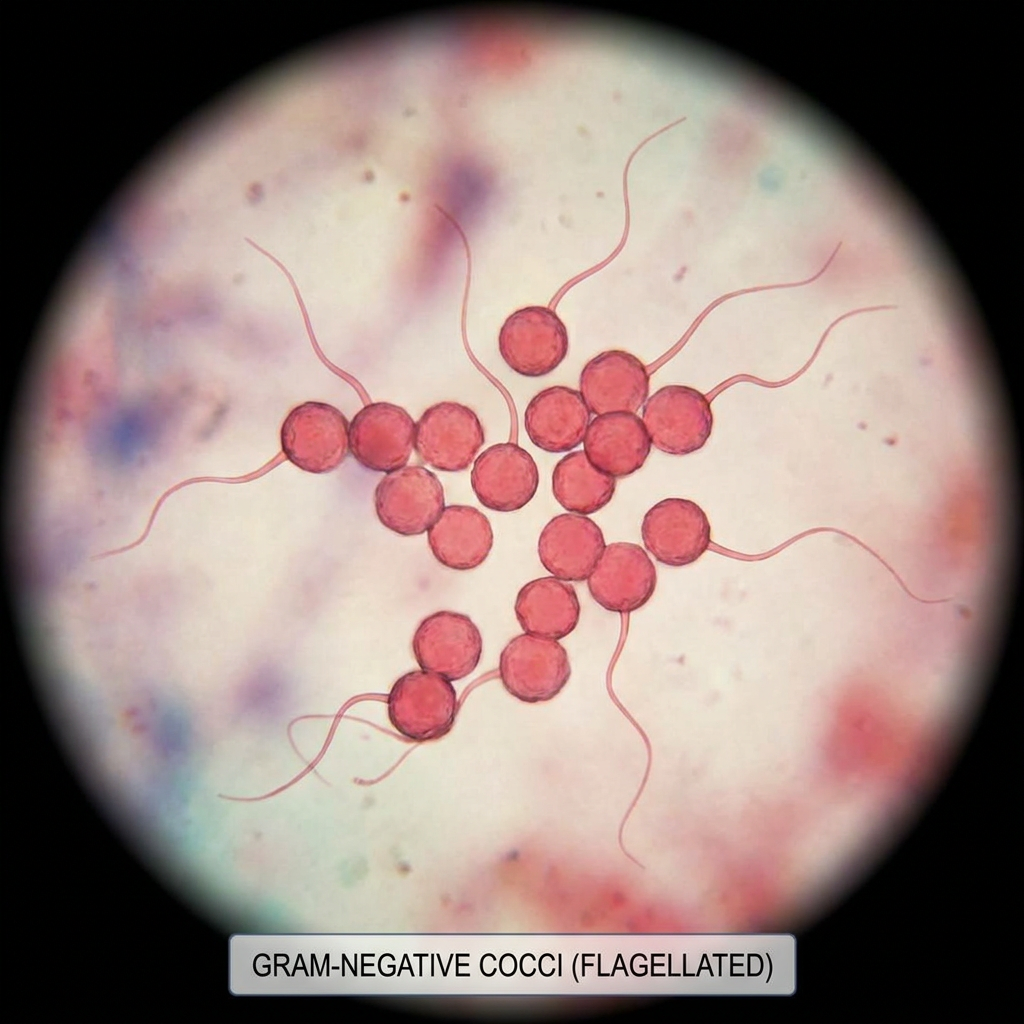
Image of Pirellula staleyi DSM 6068
AI-generated image based on bacteria physiology
Ecology, Host, and Life Cycle
Oxygen requirementsAerobic
Optimal temperatureNot Available
Temperature rangeMesophilic
HabitatAquatic
Biotic relationshipFree living
Host(s)Not Available
Cell arrangementSingles
SporulationNonsporulating
Energy sourceNot Available
PathogenicityNo

Genome Summary

Pirellula staleyi DSM 6068


Gene Summary

Adenine Count

1319360 bp

Thymine Count

1316212 bp

Guanine Count

1779497 bp

Cytosine Count

1781130 bp

Genome Length

6196199 bp

Protein-coding Genes

4543 genes

Non-Coding Genes

52 genes

# of Chromosomes/Plasmids

1

Genes

NameLocus TagUniProtStrandCoordinatesMolecular Weight
chromosomal replication initiator protein dnaaPSTA_RS23510Not Available+234 - 194661289.0
pqq-binding-like beta-propeller repeat proteinPSTA_RS00015Not Available-2122 - 373257198.8
hypothetical proteinPSTA_RS26460Not Available-4219 - 43444402.36
duf1559 domain-containing proteinPSTA_RS00020Not Available+4338 - 529134005.0
carboxypeptidase-like regulatory domain-containing proteinPSTA_RS00025Not Available+5412 - 587616279.4
rhomboid family intramembrane serine proteasePSTA_RS00030Not Available+6030 - 683929381.7
manganese catalase family proteinPSTA_RS00035Not Available-6908 - 770228645.1
bon domain-containing proteinPSTA_RS00040Not Available-7962 - 836014270.8
Trna-valNot AvailableNot Available+9034 - 9107Not Available
cytidine deaminasePSTA_RS00050Not Available+9485 - 987713719.4

Displaying genes 1 – 10 of 4595 in total

Pathways

0 pathways

No pathways found

No metabolic pathways have been associated with this bacterium yet.

Metabolites

1620 records
Metabolite IDMetabolite nameStructureCAS number
BASm00002502,5-didehydro-D-gluconateC6H7O7Chemical structure of 2,5-didehydro-D-gluconate53736-12-2
Average191.1156Da
Monoisotopic191.019177578Da
BASm00002532-oxopent-4-enoateC5H5O3Chemical structure of 2-oxopent-4-enoateNot available
Average113.093Da
Monoisotopic113.024417601Da
BASm00002603alpha,7alpha-dihydroxy-12-oxo-5beta-cholanateC24H37O5Chemical structure of 3alpha,7alpha-dihydroxy-12-oxo-5beta-cholanateNot available
Average405.556Da
Monoisotopic405.264647871Da
BASm00004283-oxoadipateC6H6O5Chemical structure of 3-oxoadipateNot available
Average158.11Da
Monoisotopic158.022620453Da
BASm00005166-deoxyerythronolide BC21H38O6Chemical structure of 6-deoxyerythronolide BNot available
Average386.5228Da
Monoisotopic386.2668389Da
BASm0000553biphenyl-2,3-diolC12H10O2Chemical structure of biphenyl-2,3-diolNot available
Average186.2066Da
Monoisotopic186.0680796Da
BASm0000592(S)-1-phenylethanolC8H10OChemical structure of (S)-1-phenylethanolNot available
Average122.1644Da
Monoisotopic122.0731649Da
BASm0000989GlycerolC3H8O3Chemical structure of Glycerol56-81-5
Average92.0938Da
Monoisotopic92.04734412Da
BASm0001225dodecanoateC12H23O2Chemical structure of dodecanoateNot available
Average199.3098Da
Monoisotopic199.169805Da
BASm0001462ubiquinone-0C9H10O4Chemical structure of ubiquinone-0605-94-7
Average182.1733Da
Monoisotopic182.057908808Da

Displaying 1–10 of 1620 metabolites