Kingdom
Pseudomonadati
Phylum
Pseudomonadota
Class
Alphaproteobacteria
Order
Rickettsiales
Family
Anaplasmataceae
Genus
Ehrlichia
Description
Taxonomy
| Kingdom | Pseudomonadati |
|---|---|
| Phylum | Pseudomonadota |
| Class | Alphaproteobacteria |
| Order | Rickettsiales |
| Family | Anaplasmataceae |
| Genus | Ehrlichia |
| Species | Ehrlichia canis |
| Strain | Jake |
Profile
| Physiology | |
|---|---|
| Gram staining properties | Negative |
| Shape | Bacilli |
| Mobility | No |
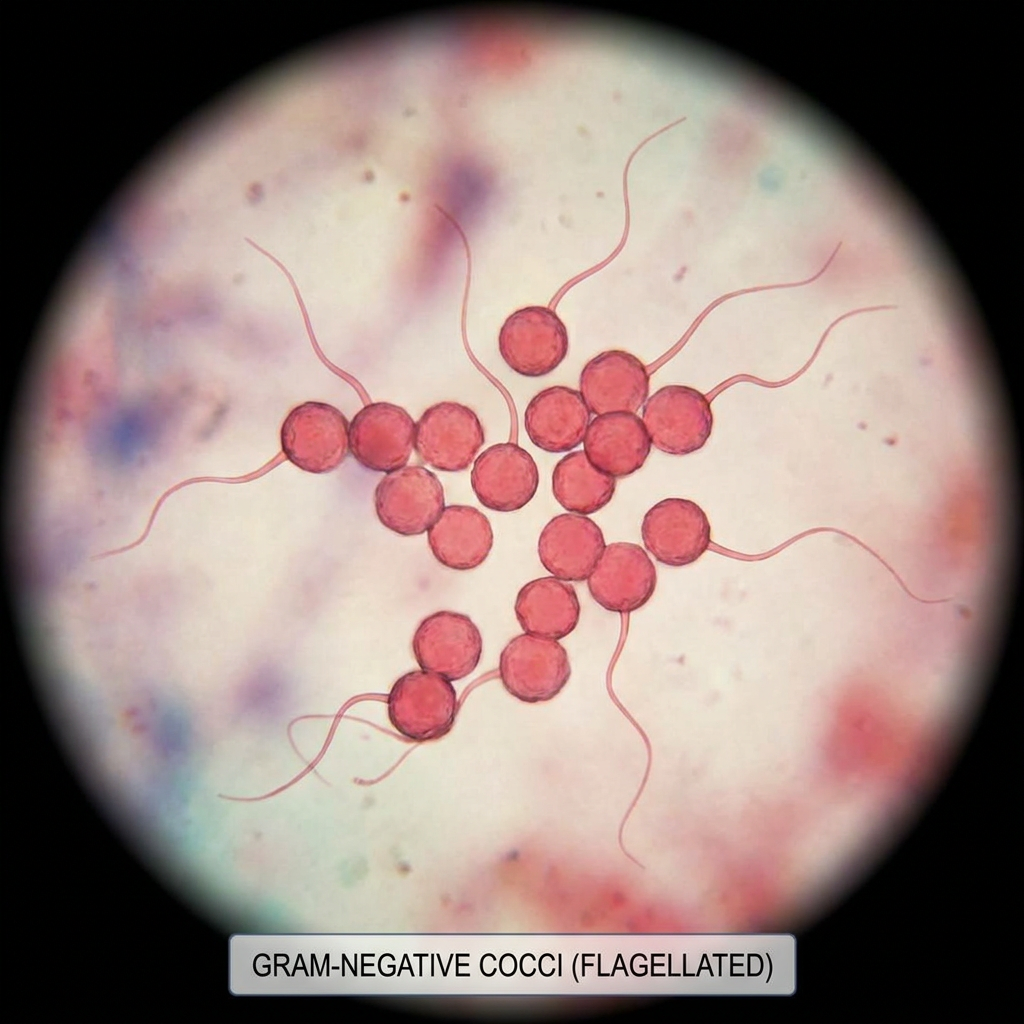
| Flagellar presence | Yes |
| Number of membranes | 2 |

| Ecology, Host, and Life Cycle | |
|---|---|
| Oxygen requirements | Aerobic |
| Optimal temperature | Not Available |
| Temperature range | Mesophilic |
| Habitat | HostAssociated |
| Biotic relationship | Free living |
| Host(s) | Dog |
| Cell arrangement | Not Available |
| Sporulation | Not Available |
| Energy source | Not Available |
| Pathogenicity | No? |
Genome Summary
Ehrlichia canis str. Jake
Accession NumberNC_007354.1
Gene Summary
Adenine Count
Not Available
Thymine Count
Not Available
Guanine Count
Not Available
Cytosine Count
Not Available
Genome Length
Not Available
Protein-coding Genes
951 genes
Non-Coding Genes
42 genes
# of Chromosomes/Plasmids
1
Genes
| Name | Locus Tag | UniProt | Strand | Coordinates | Molecular Weight |
|---|---|---|---|---|---|
| Trna-arg | Not Available | Not Available | + | 338 - 415 | Not Available |
| fad-dependent monooxygenase | ECAJ_RS00010 | Not Available | + | 475 - 1647 | 44451.0 |
| hypothetical protein | ECAJ_RS00015 | Not Available | - | 1644 - 2186 | 21773.4 |
| Trna-gln | Not Available | Not Available | + | 2234 - 2308 | Not Available |
| glycine--trna ligase subunit alpha | ECAJ_RS00025 | Not Available | + | 2588 - 3430 | 32021.2 |
| glycine--trna ligase subunit beta | ECAJ_RS00030 | Not Available | + | 3446 - 5551 | 80901.0 |
| molecular chaperone dnaj | ECAJ_RS00035 | Not Available | + | 5613 - 6761 | 41954.4 |
| carboxylating nicotinate-nucleotide diphosphorylase | ECAJ_RS00040 | Not Available | - | 7496 - 8323 | 30290.6 |
| glycerol-3-phosphate 1-o-acyltransferase plsy | ECAJ_RS00045 | Not Available | + | 8415 - 8990 | 21306.9 |
| crossover junction endodeoxyribonuclease ruvc | ECAJ_RS00050 | Not Available | - | 8996 - 9466 | 17427.1 |
Pathways
0 pathways
No pathways found
No metabolic pathways have been associated with this bacterium yet.