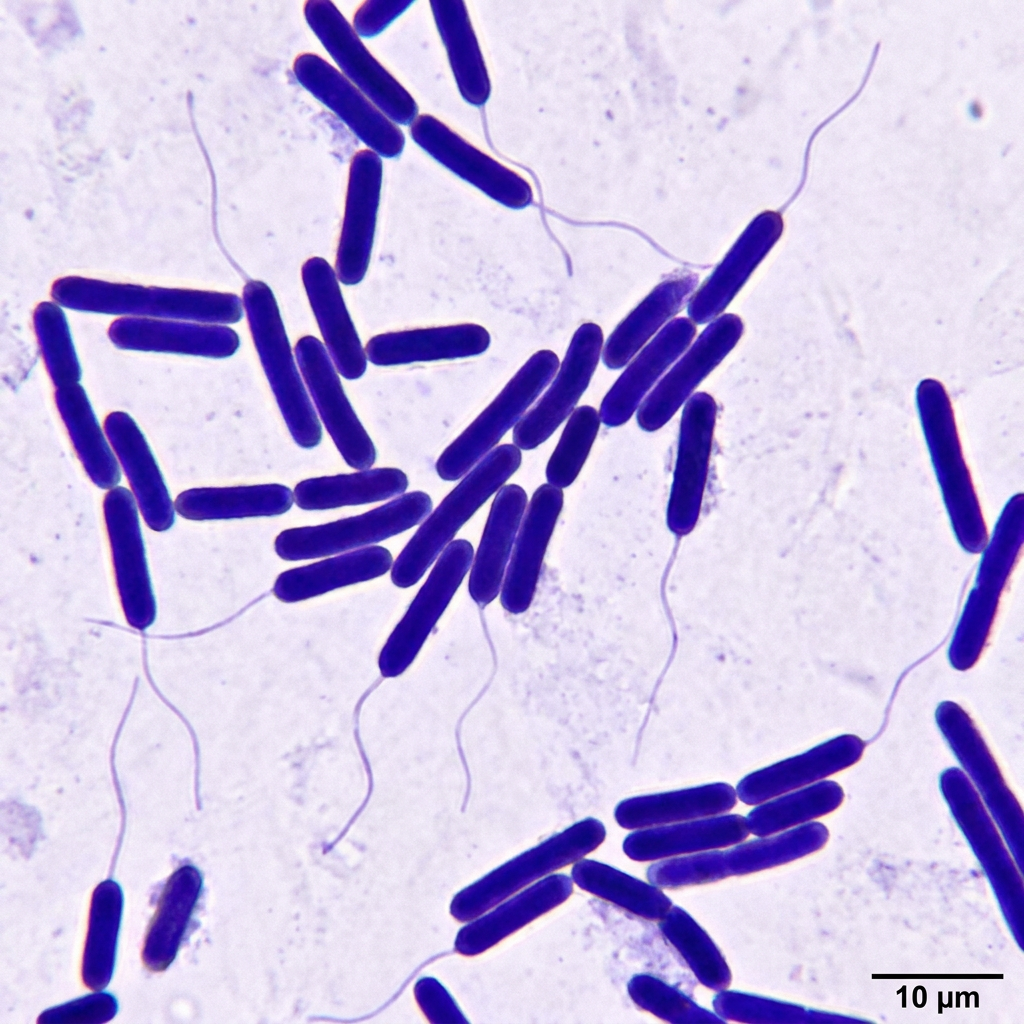
Bifidobacteria, called probiotics, are a natural part of the bacterial flora in the human body and have a symbiotic bacteria-host relationship with humans. B. longum promotes good digestion, boosts the immune system, and produces lactic and acetic acid that controls intestinal pH. These bacteria also inhibit the growth of Candida albicans, E. coli, and other bacteria that have more pathogenic qualities than Bifidobacteria.The circular chromosome of Bifidobacterium longum has a genome approximately 2,260,000 bp in length with a 60% G-C content. More research is being done on sequencing other species of Bifidobacterium, especially to understand its probiotic qualities.Bifidobacterium is a Gram-positive, anaerobic, branched rod-shaped bacterium. In the intestines, they ferment sugars to produce lactic acid. The B. longum genome codes for many proteins specialized for the catabolism of oligosaccharides. This bacterium also is able to use so-called "nondigestible" plant polymers or host-derived glycoproteins and glcoconjugates; it is thought that Bifidobacterium's ability to compete with other gastrointestinal bacteria and occupy a large percentage in the bacterial flora of the gastrointestinal region might be partly due to the large variety of molecules that it is able to use for energy (Schell et al. 2002). Bifidobacteria have a unique hexose metabolism that occurs through a phosphoketolase pathway. This pathway, called the bifid shunt, uses the key enzyme frutose-6-phosphate phosphoketolase (F6PPK) and is the generally used as a diagnostic test for this Bifidobacteria because it's not found in other gram-positive intestinal bacteria.While Bifidobacterium infantis, B. brevi, and B. longum are the largest bacteria group in the intestines of infants, Bifidobacteria are said to be only the 3rd or 4th largest group of bacteria in adults (and only 3-6% of adult fecal flora). The number of these bacteria actually decline in the human body with age. In infants who are breast-fed, Bifidobacteria constitute about 90% of their intestinal bacteria; however, this number is lower in bottle-fed infants. When breast-fed infants' diets are changed to cows milk and solid food, Bifidobacteria are joined by rising numbers of other bacteria found in the human body such as Bacteroides and Streptococci lactobacilli. The lower number of Bifidobacteria in formula-fed babies might account for a higher risk of diarrhea and allergies that is usually associated with babies who aren't breast-fed; in addition, because Bifidobacteria produces lactic acid instead of gas (like E. coli), infants and people in general with more Bifidobacteria than other bacteria will have less gas and digestive problems.Bifidobacteria as well as other benefical bacteria can be found in fermented dairy foods, especially yogurt. Eating substances rich with these probiotics is a sort of home remedy for diarrhea, vaginitis, and yeast infections because it promotes the growth of these as opposed to other bacteria. (From http://microbewiki.kenyon.edu/index.php/Bifidobacterium) (MicrobeWiki: Bifidobacterium)