Peptostreptococcus stomatis DSM 17678

Gram-positiveCocciAnaerobe

Kingdom

Bacillati

Phylum

Bacillota

Class

Clostridia

Order

Peptostreptococcales

Family

Peptostreptococcaceae

Genus

Peptostreptococcus

Description

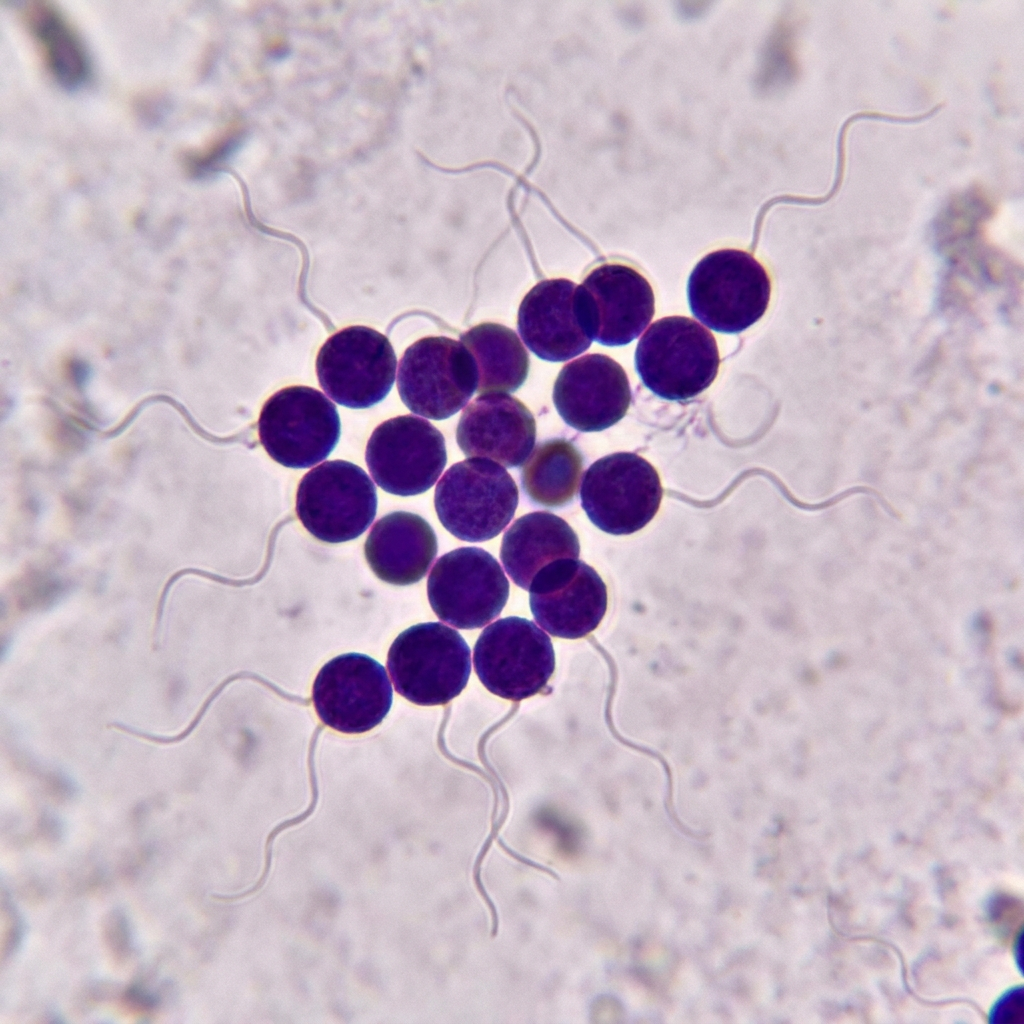
Peptostreptococcus stomatis DSM 17678 is a Gram-positive, coccoid-shaped bacterium that thrives in thermophilic conditions, classified as a chemotroph, and is an obligate anaerobe. This microbe is part of the normal flora of human and animal oral cavities, gastrointestinal tracts, and other mucosal surfaces, contributing to the complex ecosystem of microbial communities in these environments. As a Gram-positive organism, Peptostreptococcus stomatis possesses a thick peptidoglycan layer in its cell wall, which retains the crystal violet stain during Gram staining, imparting a characteristic purple hue. Its coccoid shape allows for efficient adaptation to various niches within the body. As part of the temperature preference category of thermophiles, this microbe can withstand and thrive in higher temperatures, making it well-suited for the warm environments found in the oral and gastrointestinal tracts. Being a chemotroph, Peptostreptococcus stomatis derives energy from the chemical compounds in its surroundings, particularly through the fermentation of carbohydrates and amino acids. This metabolic capability supports its survival in anaerobic conditions. As an obligate anaerobe, it cannot survive in environments with oxygen; therefore, it plays a crucial role in balancing the microbial ecology within anaerobic habitats. Peptostreptococcus stomatis is notable for its involvement in human health and disease, acting as a commensal organism that maintains oral and gut health while also having the potential to contribute to infections when the host's immune defenses are compromised. Its presence in various body sites underscores its adaptability and importance in both symbiotic and pathogenic roles within the microbial community. The ability of this microbe to ferment both carbohydrates and amino acids also offers potential applications in biotechnology, particularly in the development of probiotics and bioconversion processes.

Taxonomy

KingdomBacillati
PhylumBacillota
ClassClostridia
OrderPeptostreptococcales
FamilyPeptostreptococcaceae
GenusPeptostreptococcus
SpeciesPeptostreptococcus stomatis
StrainNo strain

Profile

Physiology
Gram staining propertiesPositive
ShapeCocci
MobilityNot Available
Flagellar presenceNot Available
Number of membranesNot Available
Ecology, Host, and Life Cycle
Oxygen requirementsAnaerobe
Optimal temperature37
Temperature rangemesophilic
HabitatNot Available
Biotic relationshipNot Available
Host(s)Not Available
Cell arrangementNot Available
Sporulationspore-forming
Energy sourceNot Available
PathogenicityNot Available

Genome Summary

Peptostreptococcus stomatis DSM 17678

Accession NumberADGQ00000000.1

Gene Summary

Adenine Count

Not Available

Thymine Count

Not Available

Guanine Count

Not Available

Cytosine Count

Not Available

Genome Length

Not Available

Protein-coding Genes

1578 genes

Non-Coding Genes

81 genes

# of Chromosomes/Plasmids

1

Genes

NameLocus TagUniProtStrandCoordinatesMolecular Weight
Phage terminaseHMPREF0634_0216Not Available+488326 - 48910130333.0
Phage portal proteinHMPREF0634_0217Not Available+489110 - 49028244569.7
Phage proheadHMPREF0634_0218Not Available+490275 - 49085322137.1
Phage capsid proteinHMPREF0634_0219Not Available+490847 - 49224752268.8
hypothetical proteinHMPREF0634_0220Not Available+492259 - 49258512324.1
Hypothetical proteinHMPREF0634_0221Not Available+492591 - 49285110052.2
Hypothetical proteinHMPREF0634_0222Not Available+492848 - 49315611688.0
Hypothetical proteinHMPREF0634_0223Not Available+493140 - 49350513929.6
AminopeptidaseHMPREF0634_0224Not Available+493502 - 49380412119.3
Major tail proteinHMPREF0634_0225Not Available+493819 - 49438821179.8

Displaying genes 1 – 10 of 1659 in total

Pathways

0 pathways

No pathways found

No metabolic pathways have been associated with this bacterium yet.
Metabolites

205 records
Metabolite IDMetabolite nameStructureCAS number
BASm0014042Oxoglutaric acidC5H6O5Chemical structure of Oxoglutaric acid328-50-7
Average146.0981Da
Monoisotopic146.021523302Da
BASm0014044Orotic acidC5H4N2O4Chemical structure of Orotic acid65-86-1
Average156.0963Da
Monoisotopic156.017106626Da
BASm0014045Propionic acidC3H6O2Chemical structure of Propionic acid79-09-4
Average74.0785Da
Monoisotopic74.036779436Da
BASm0014057Isovaleric acidC5H10O2Chemical structure of Isovaleric acid503-74-2
Average102.1317Da
Monoisotopic102.068079564Da
BASm0014058Myristic acidC14H28O2Chemical structure of Myristic acid544-63-8
Average228.3709Da
Monoisotopic228.20893014Da
BASm0014059Stearic acidC18H36O2Chemical structure of Stearic acid57-11-4
Average284.4772Da
Monoisotopic284.271530396Da
BASm0014065N-AcetylmannosamineC8H15NO6Chemical structure of N-Acetylmannosamine7772-94-3
Average221.2078Da
Monoisotopic221.089937217Da
BASm0014068Nicotinic acidC6H5NO2Chemical structure of Nicotinic acid59-67-6
Average123.1094Da
Monoisotopic123.032028409Da
BASm00140752-HydroxyethanesulfonateC2H6O4SChemical structure of 2-Hydroxyethanesulfonate107-36-8
Average126.132Da
Monoisotopic125.99867937Da
BASm0014084GlycogenC24H42O21Chemical structure of Glycogen9005-79-2
Average666.5777Da
Monoisotopic666.221858406Da

Displaying 41–50 of 205 metabolites